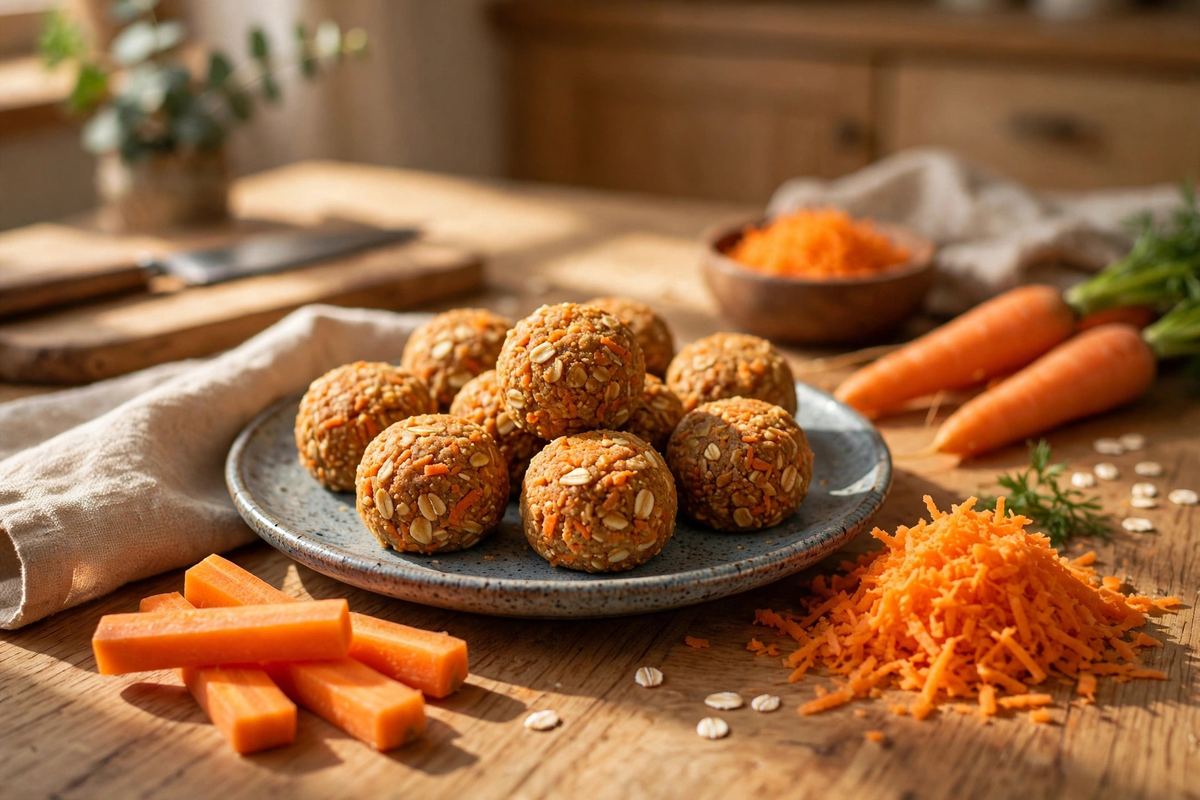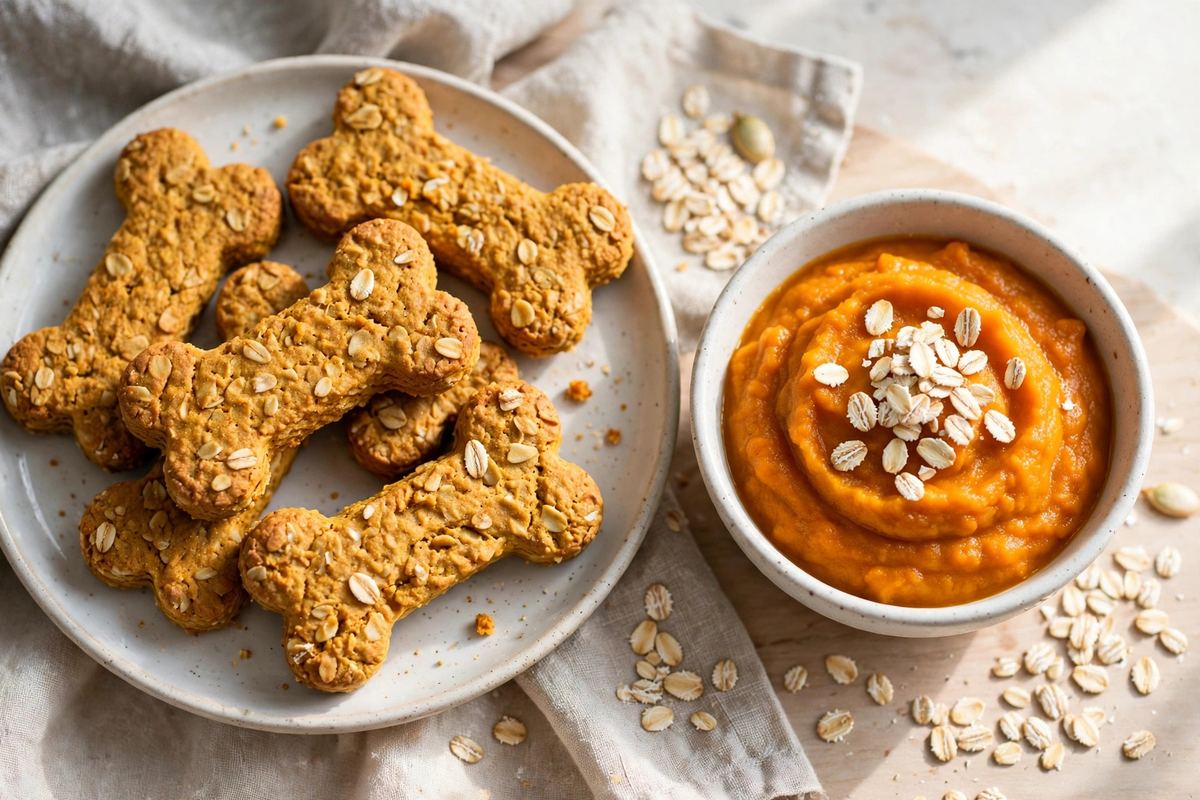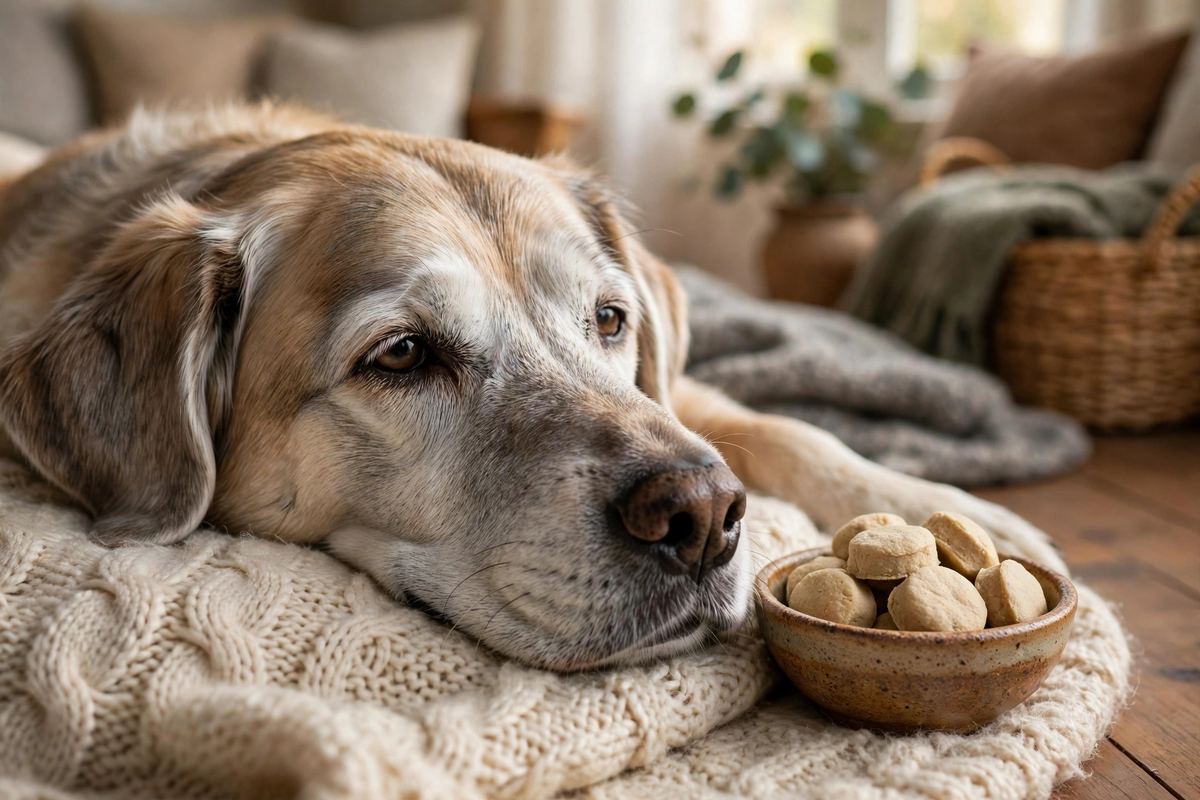
Make treats easy to chew
Older dogs may prefer softer or smaller treats. Break biscuits into suitable pieces and supervise eating. If your dog struggles to chew, drops food or seems uncomfortable, ask a veterinarian to check the mouth and teeth.
Keep portions modest
Senior dogs may be less active, so treat calories can add up. Use small pieces and keep treats within about 10% of daily food unless your veterinarian advises a different plan.
Introduce new foods slowly
Try one new ingredient at a time in a small amount. Watch appetite, stool and comfort, and stop the new treat if it does not agree with your dog.
Medical conditions need veterinary advice
Dogs with kidney, liver, pancreatic, diabetic, weight or allergy concerns may need specific restrictions. A general recipe cannot replace a veterinary diet plan.
Senior-friendly treat habits
- Small, soft pieces
- Simple ingredients
- Supervised eating
- Fresh water available
- Regular veterinary checks