Choose small, quick treats
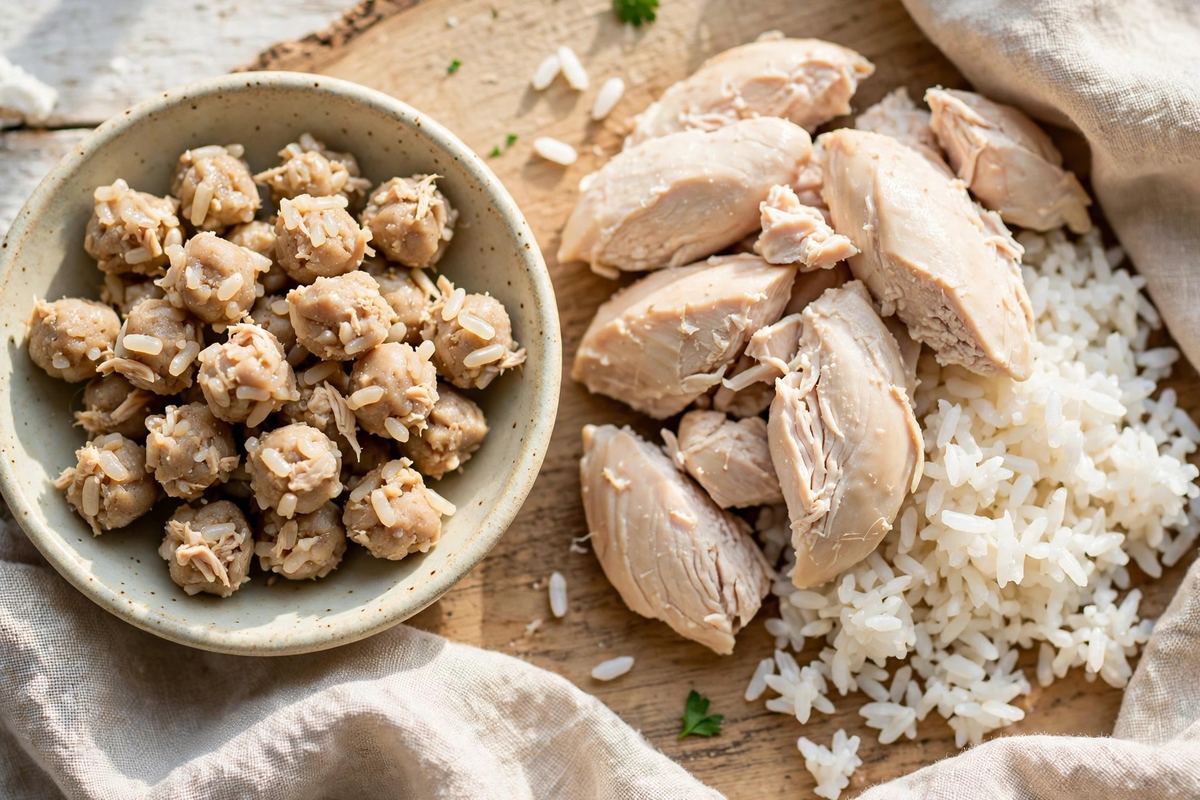
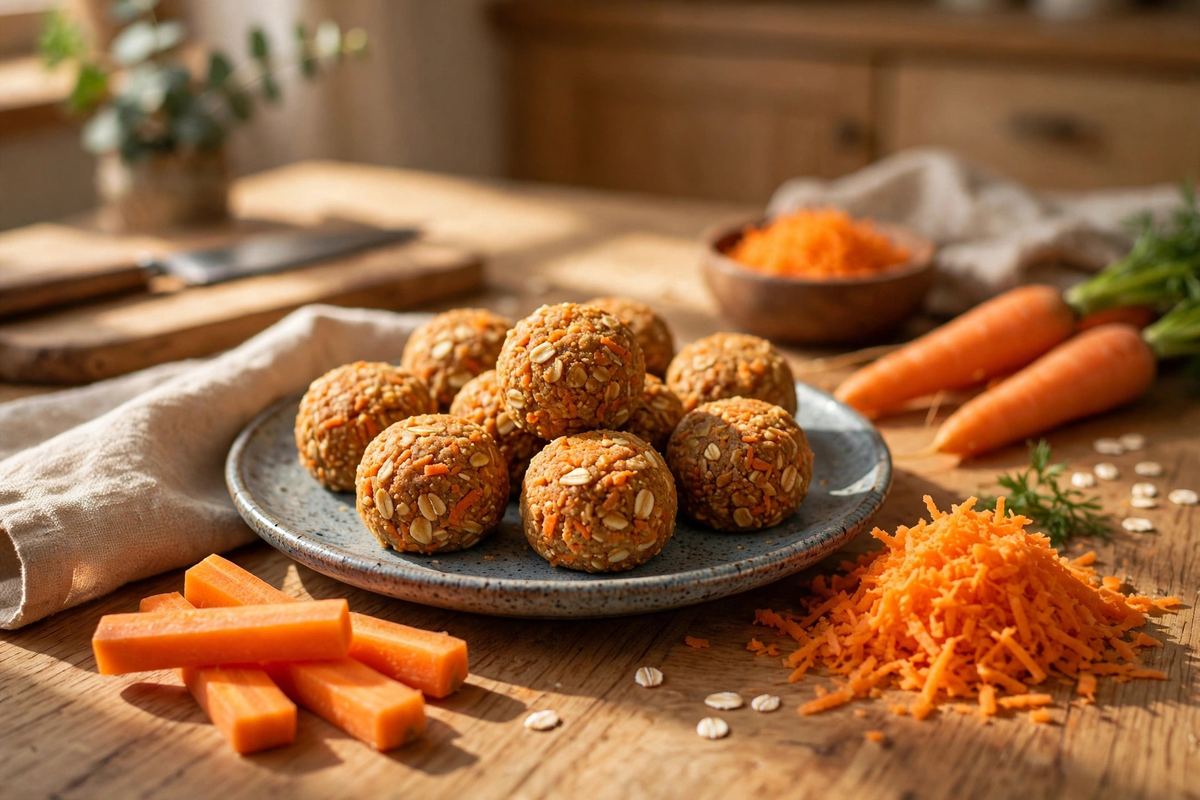
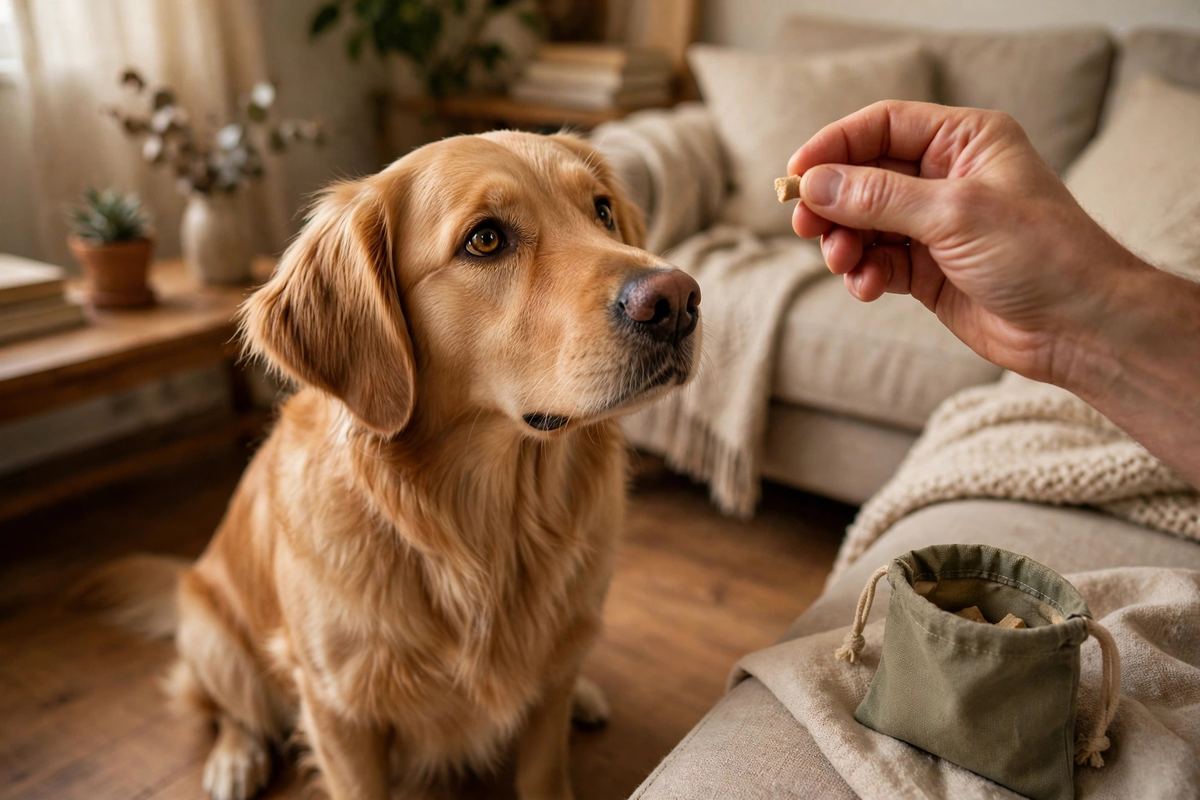
Training treats should be tiny enough for your dog to eat quickly and return attention to you. Pea-sized pieces work well for many dogs. Soft treats are useful when you need frequent rewards during a short session.
Prepare the right amount
Count out a small portion before training instead of carrying an open bag. Treats should stay within about 10% of your dog's daily food, so break larger treats into pieces and adjust meals only with veterinary guidance.
Use variety without overdoing it
Rotate a few dog-safe flavors so rewards stay interesting. Introduce one new food at a time and watch for digestive upset. Stop using a treat that does not agree with your dog.
Reward timing matters
Give the treat promptly after the behavior you want to reward. Keep sessions short, end on a success, and use praise or play as part of the reward.
Training treat checklist
- Tiny and easy to chew
- Simple ingredients
- Easy to break into smaller pieces
- Stored safely and used before expiry
- Counted within the daily treat allowance