Dog Treats
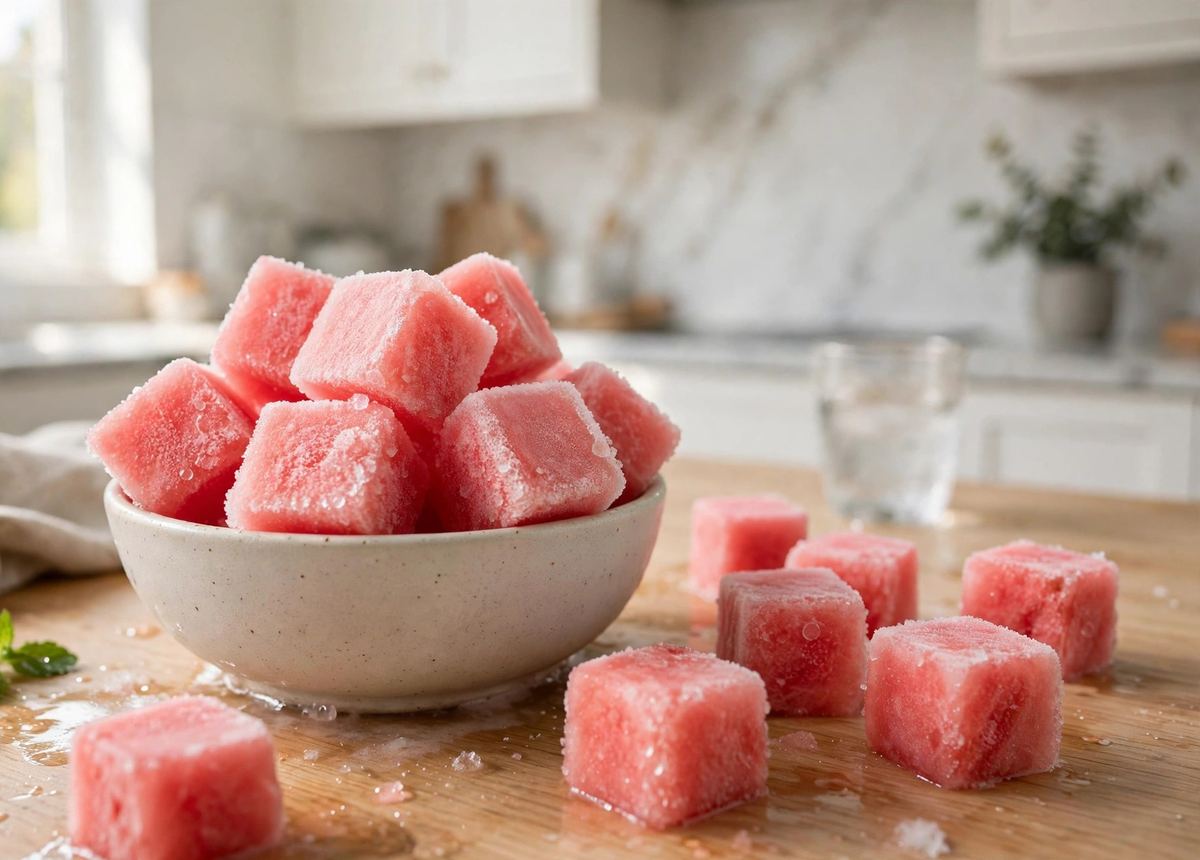
Watermelon Frozen Dog Cubes
Refreshing seedless watermelon cubes frozen into simple warm-weather treats.
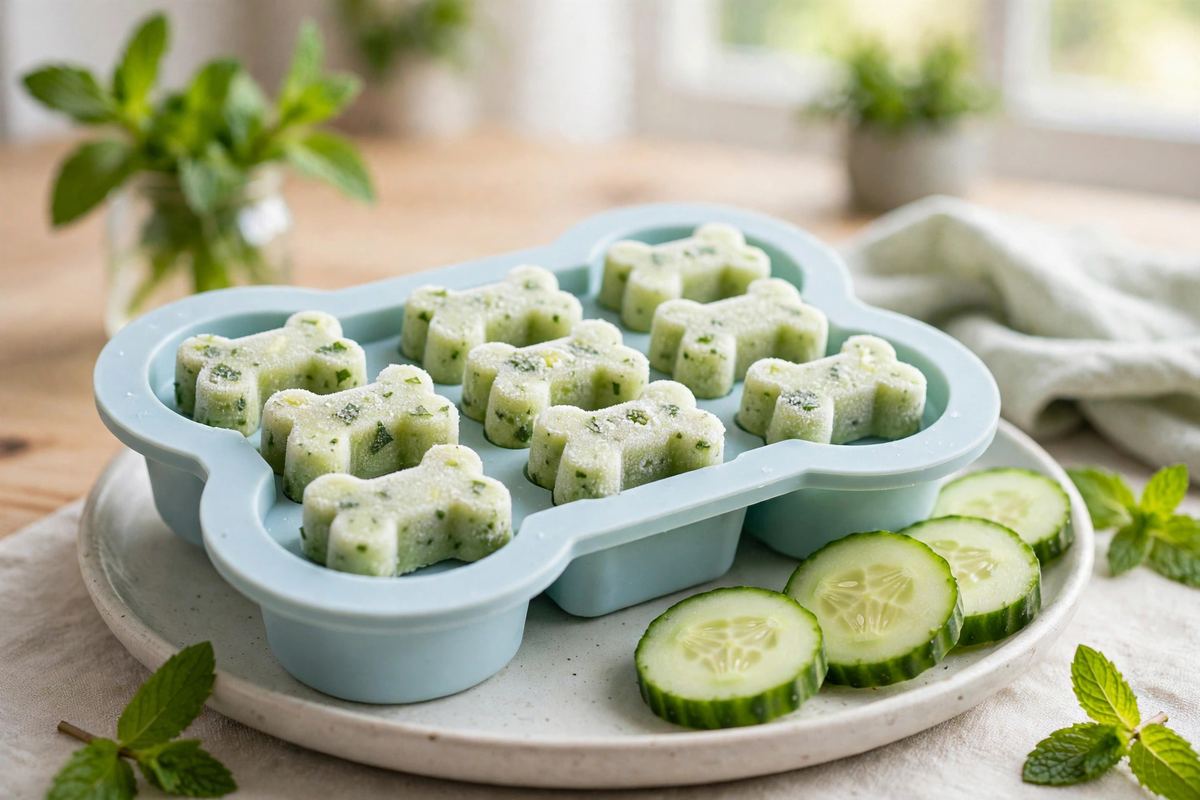
Get the RecipeLight, refreshing cucumber mint frozen bites made with cucumber, plain yogurt, and a small amount of fresh mint.
Keep frozen in a sealed bag or container in the freezer for up to 2 months. Serve straight from the freezer and do not refreeze bites that have thawed.
| Dog size | Suggested portion |
|---|---|
| Small (under 20 lb) | 1 small bite |
| Medium (20-50 lb) | 1-2 small bites |
| Large (over 50 lb) | 2-3 small bites |
Treats should make up no more than about 10% of your dog's daily food.
Only a small amount of fresh mint leaves as an occasional treat. This recipe uses just 4-5 leaves for the whole batch.
Fresh mint is best here. If using dried mint, use only a tiny pinch and skip mint oils or extracts completely.
No. Wash it well and chop it finely. Remove any large seeds if your cucumber has them.
Yes. Blend the cucumber with a little water instead for a lighter, icier bite.
Refreshing seedless watermelon cubes frozen into simple warm-weather treats.
Get the Recipe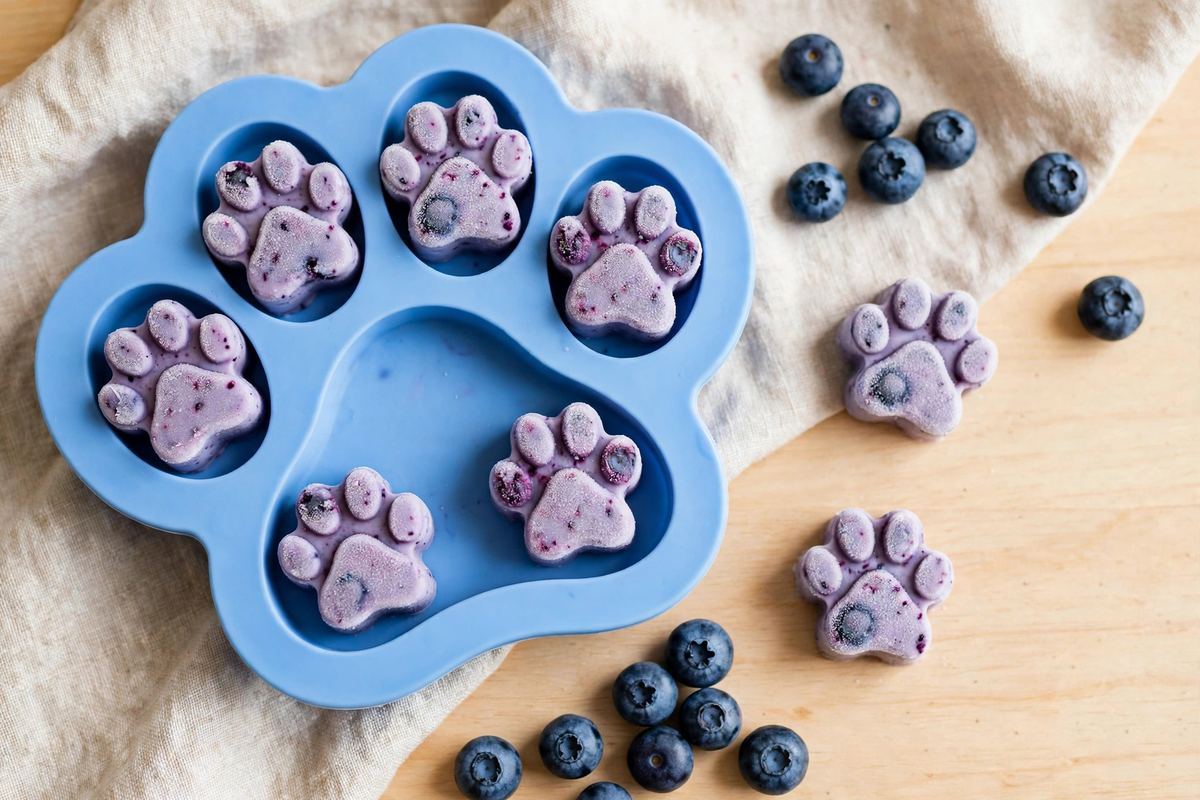
Cool frozen blueberry yogurt bites for warm days. Just two ingredients and a freezer.
Get the Recipe
Single-ingredient dried sweet potato chews. A simple, chewy treat with nothing added.
Get the Recipe