Dog Treats
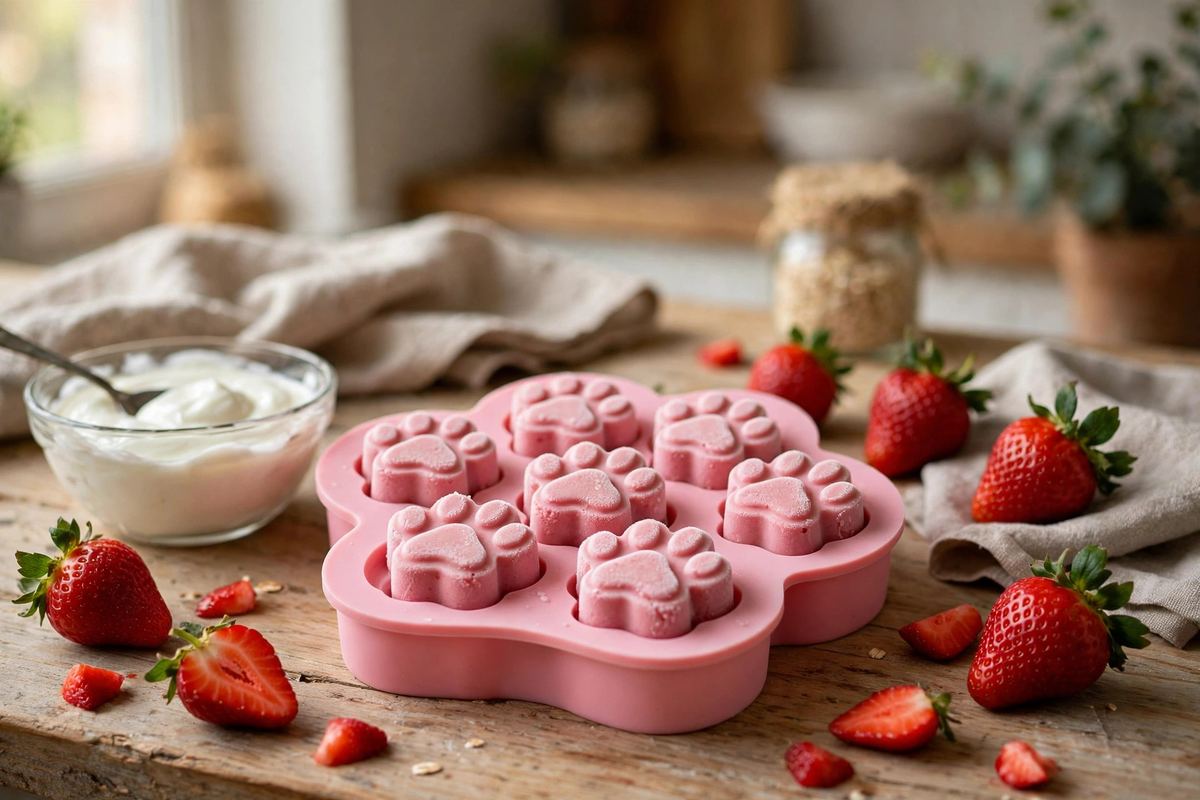
Strawberry Yogurt Dog Bites
Cool strawberry yogurt bites made with plain yogurt and fresh strawberries.
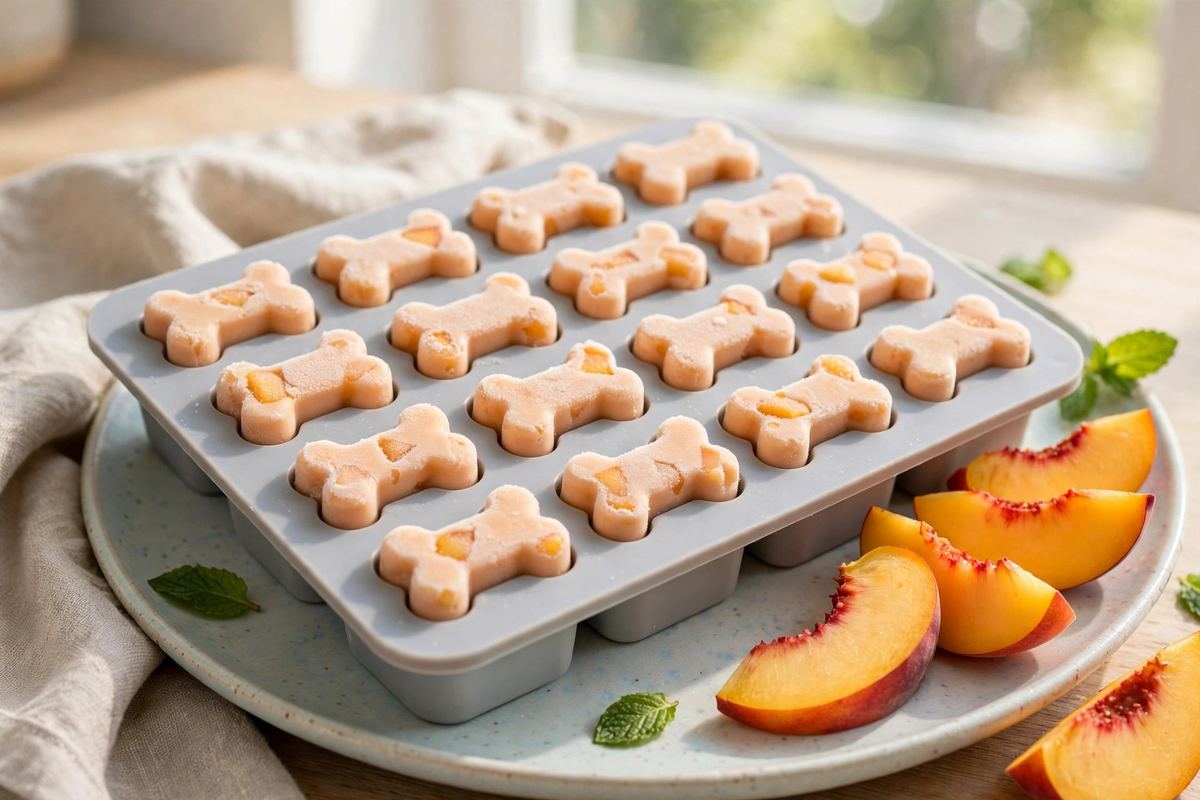
Get the RecipeSweet peach yogurt frozen bites made with ripe peach flesh, pit removed, and plain unsweetened yogurt.
Keep frozen in a sealed bag or container in the freezer for up to 2 months. Serve straight from the freezer and do not refreeze bites that have thawed.
| Dog size | Suggested portion |
|---|---|
| Small (under 20 lb) | 1 small bite |
| Medium (20-50 lb) | 1-2 small bites |
| Large (over 50 lb) | 2 small bites |
Treats should make up no more than about 10% of your dog's daily food.
No. Always remove and discard the pit, and use the soft flesh only.
Fresh peaches are best. If using canned, choose peaches in water with no added sugar or syrup, and drain them well.
Peeling is optional. Wash the fruit well, remove the pit, and blend until smooth.
Yes. Thaw plain frozen peach slices first and drain any excess liquid before blending.
Cool strawberry yogurt bites made with plain yogurt and fresh strawberries.
Get the Recipe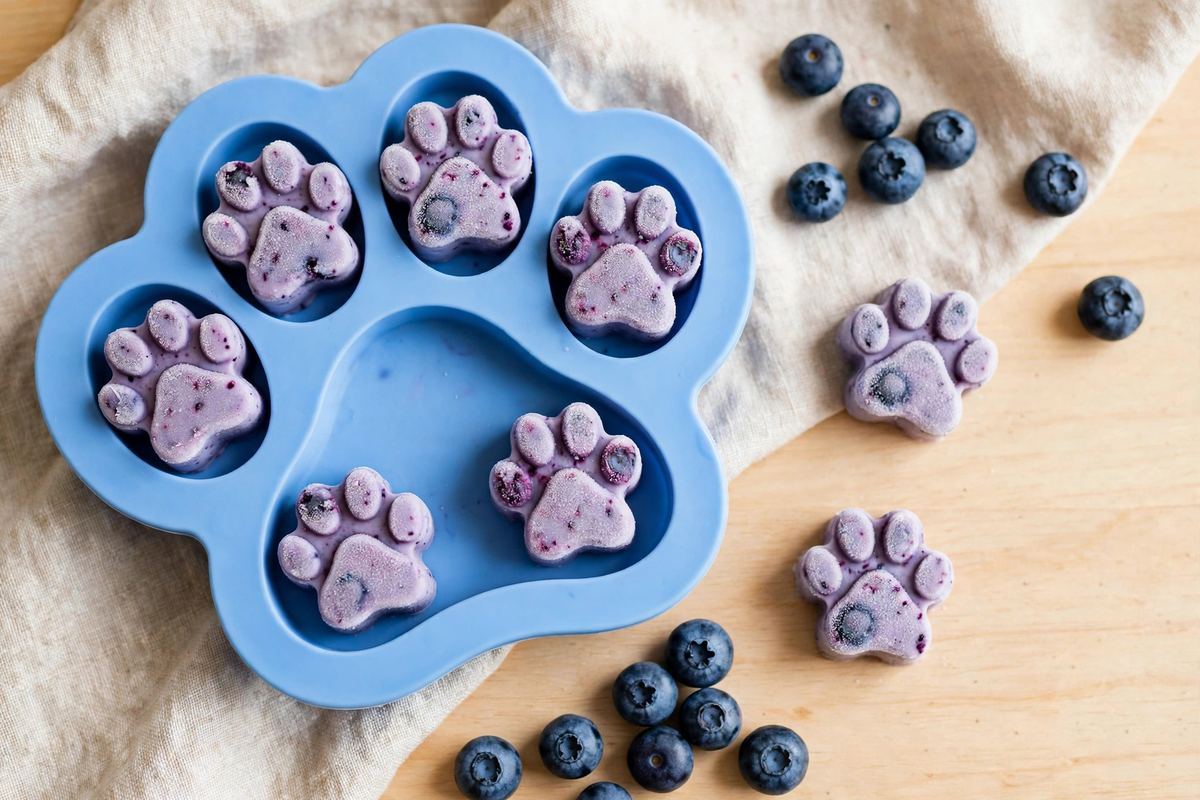
Cool frozen blueberry yogurt bites for warm days. Just two ingredients and a freezer.
Get the Recipe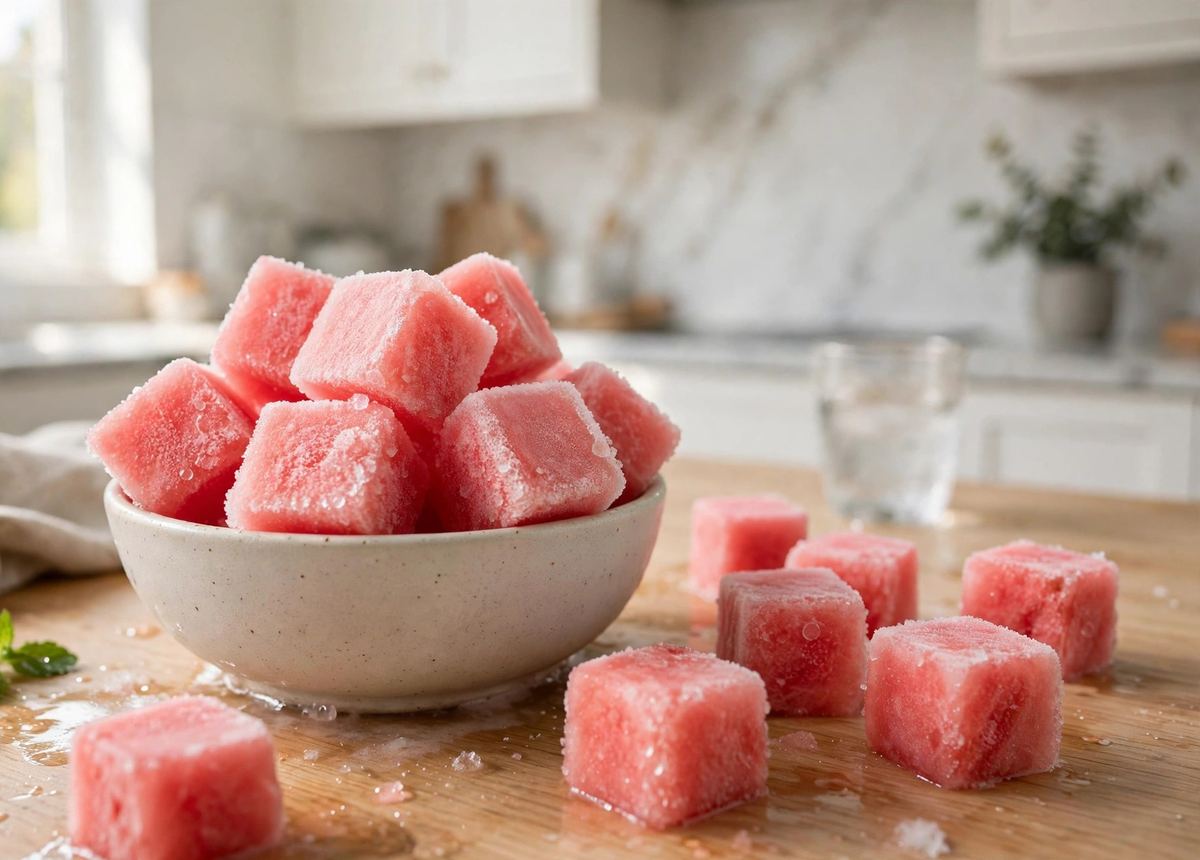
Refreshing seedless watermelon cubes frozen into simple warm-weather treats.
Get the Recipe