Dog Birthday
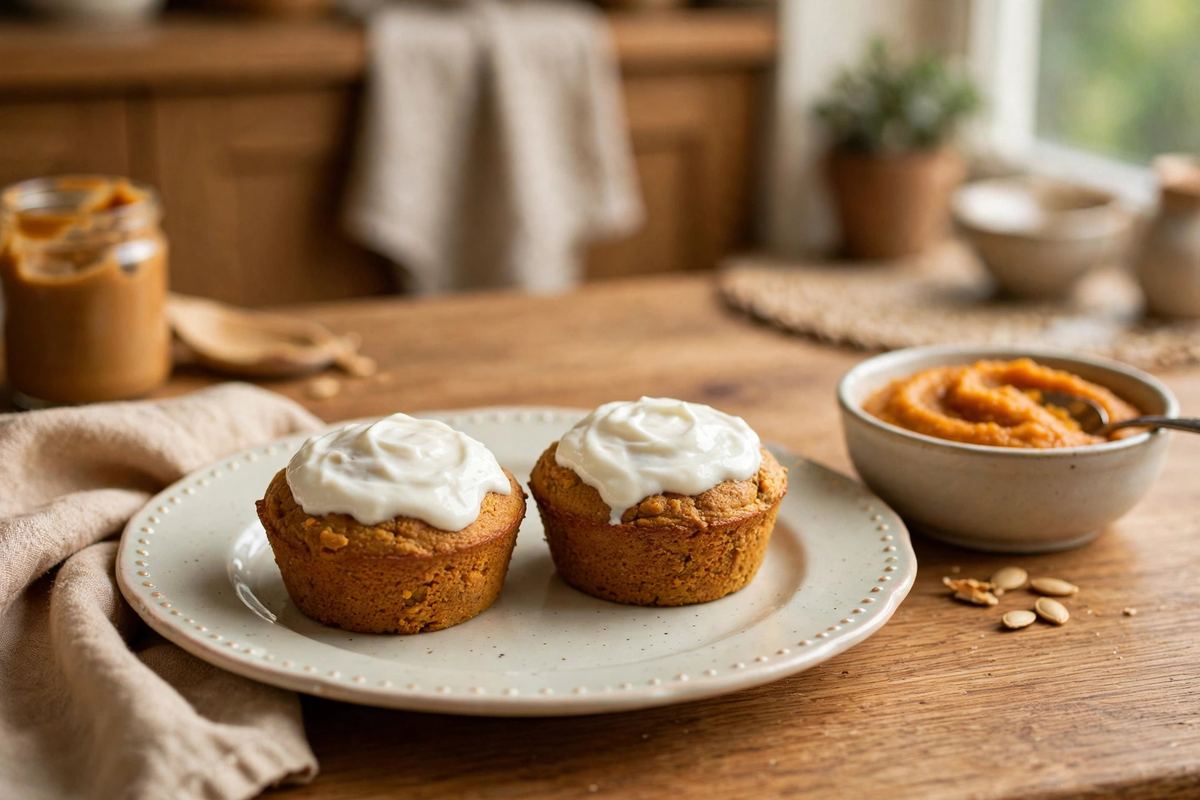
Peanut Butter Pumpkin Pupcakes
Small birthday pupcakes with pumpkin, xylitol-free peanut butter and a yogurt topping.
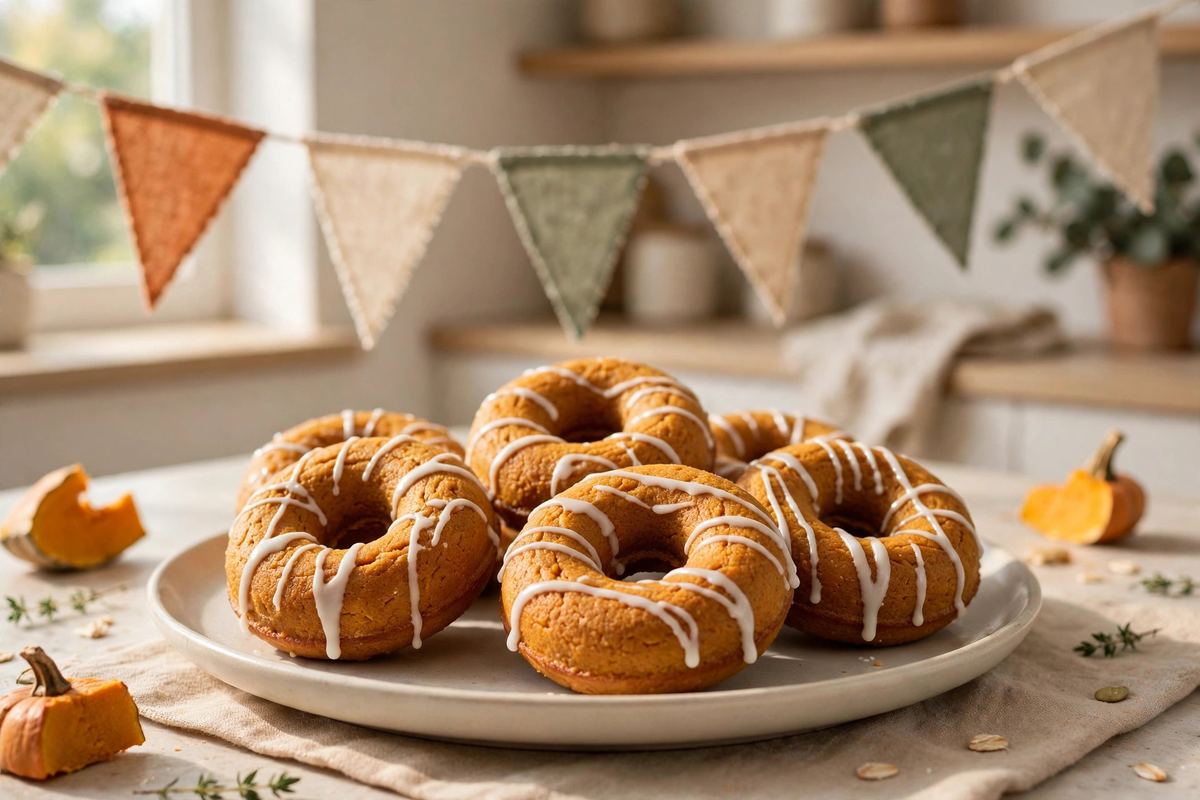
Get the RecipeBaked pumpkin peanut butter dog donuts with a plain yogurt drizzle, made with xylitol-free peanut butter.
Store drizzled donuts in a sealed container in the fridge for up to 3 days. Freeze undrizzled donuts for up to 2 months and add fresh drizzle after thawing.
| Dog size | Suggested portion |
|---|---|
| Small (under 20 lb) | 1/2 donut |
| Medium (20-50 lb) | 1 donut |
| Large (over 50 lb) | 1-2 donuts |
Treats should make up no more than about 10% of your dog's daily food.
Xylitol, also called birch sugar, is dangerous for dogs. Read the label every time and choose peanut butter without it.
No. Keep the topping a plain yogurt drizzle only, so the donuts stay free of extra sugar.
Yes. Bake the batter in a muffin tin as small pumpkin peanut butter cakes instead.
Plain pumpkin puree is fine in treat amounts; avoid pumpkin pie filling, which contains sugar and spices.
Small birthday pupcakes with pumpkin, xylitol-free peanut butter and a yogurt topping.
Get the Recipe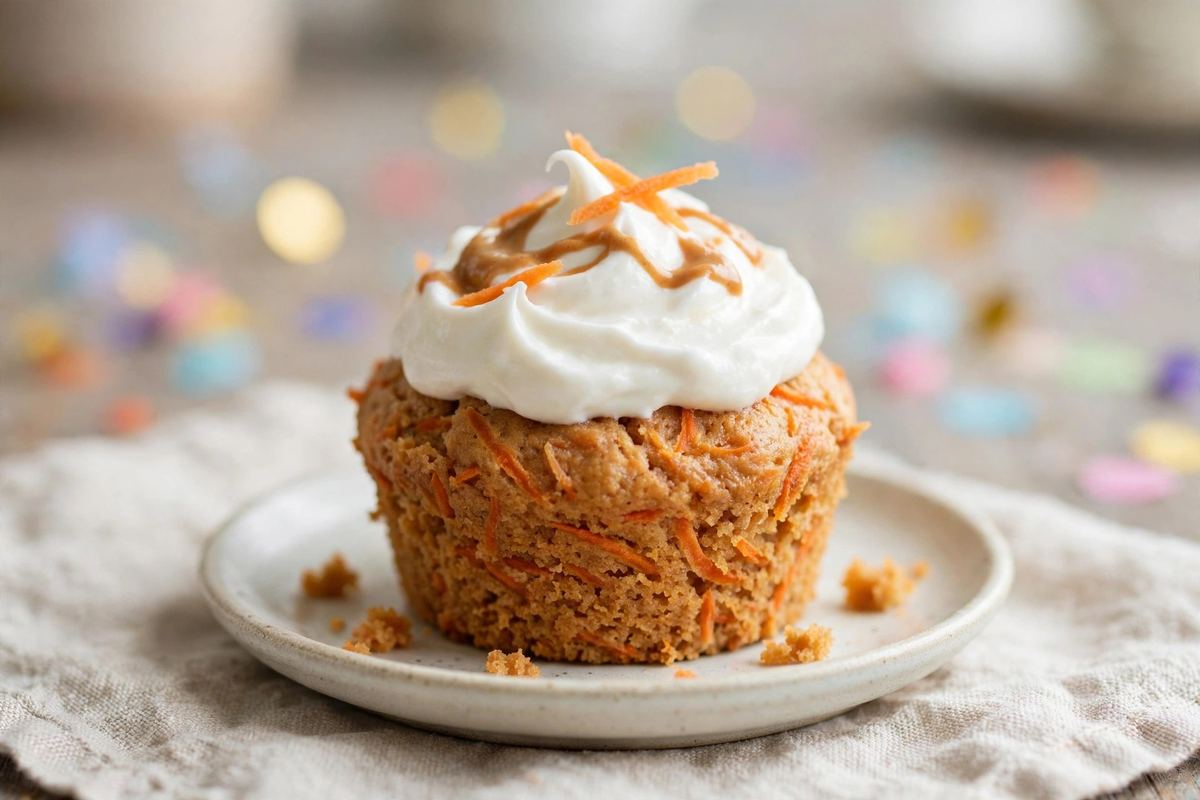
A single-serve carrot pupcake with yogurt frosting — perfect for your dog's birthday photo moment.
Get the Recipe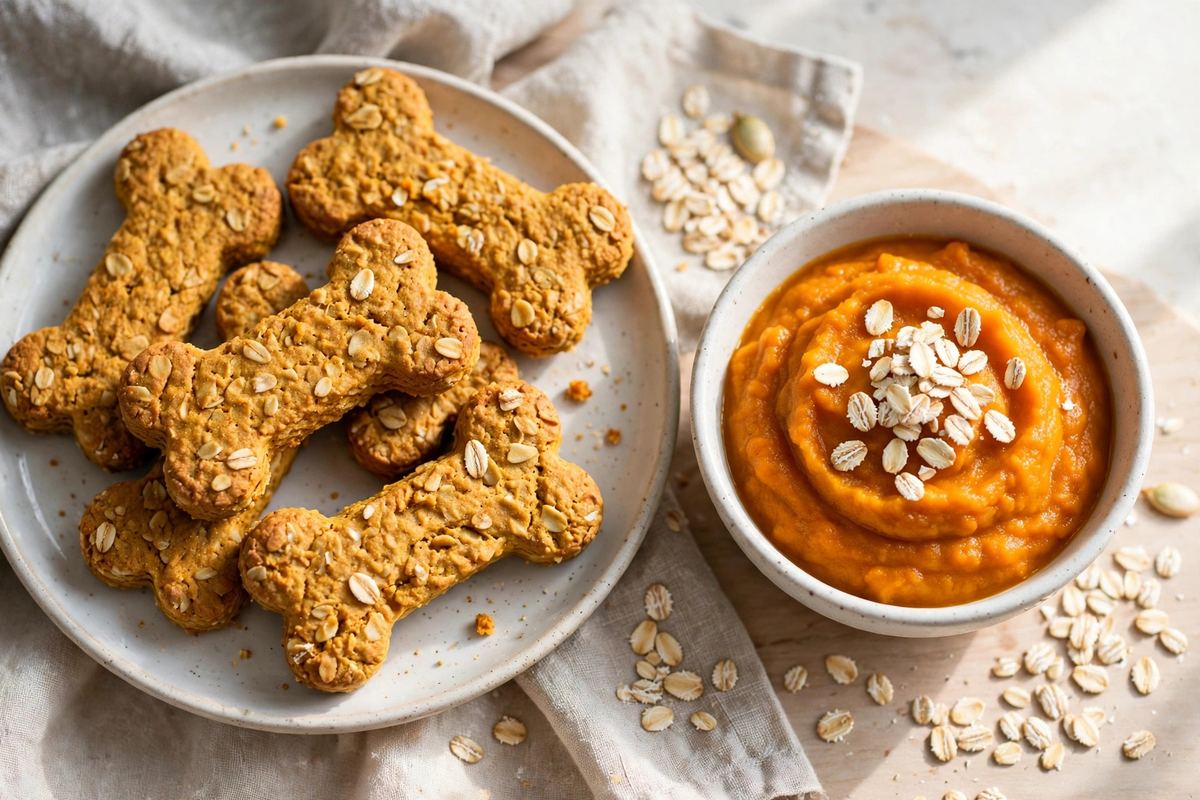
Easy 3-ingredient pumpkin oat biscuits your dog will love. Crunchy, simple, and perfect for everyday treating.
Get the Recipe