Dog Treats
Pumpkin Oat Dog Treats
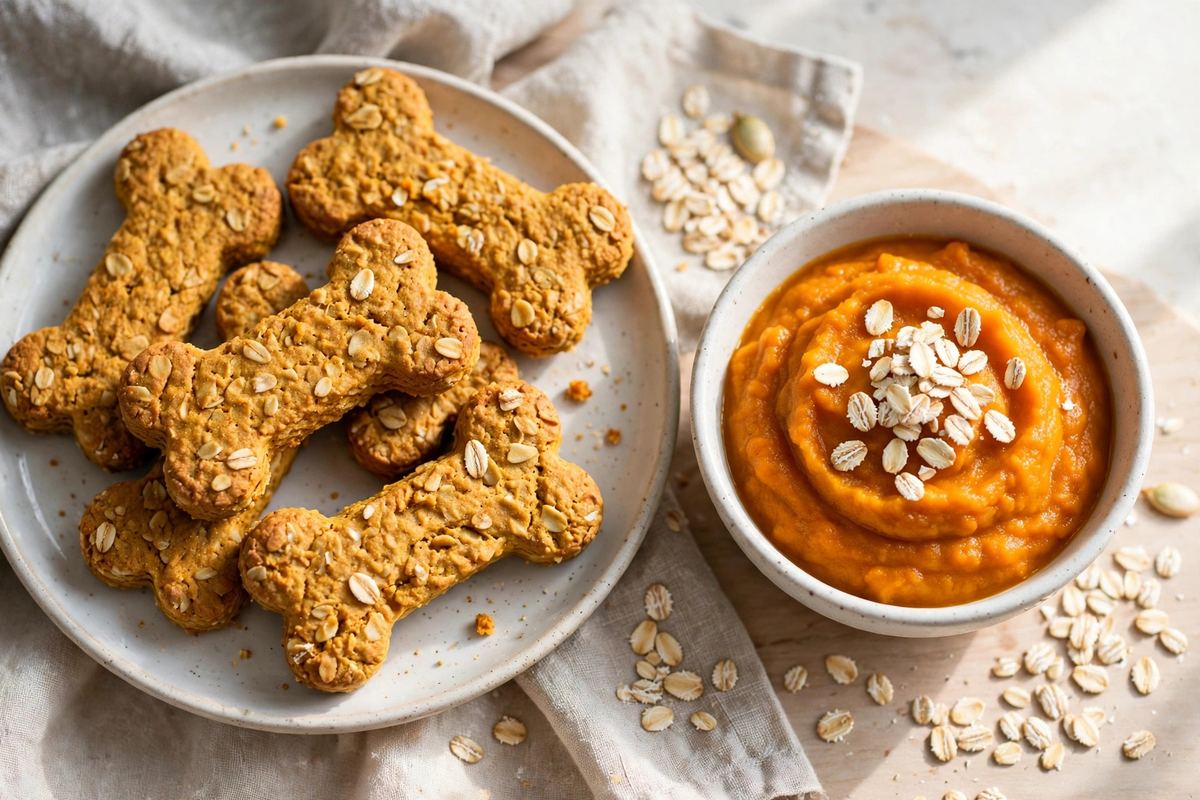
Easy 3-ingredient pumpkin oat biscuits your dog will love. Crunchy, simple, and perfect for everyday treating.
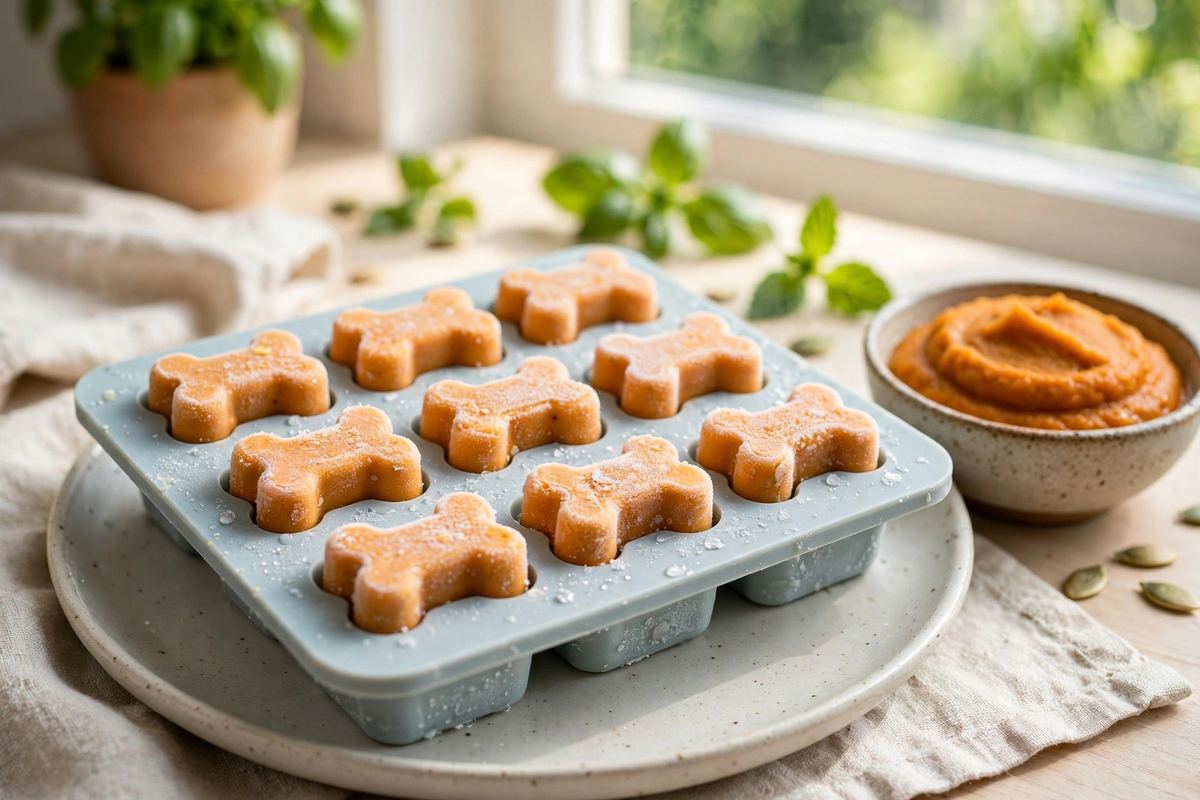
Get the RecipeCreamy pumpkin yogurt frozen bites made with plain pumpkin puree and plain unsweetened yogurt.
Keep frozen in a sealed bag or container in the freezer for up to 2 months. Serve straight from the freezer and do not refreeze bites that have thawed.
| Dog size | Suggested portion |
|---|---|
| Small (under 20 lb) | 1 small bite |
| Medium (20-50 lb) | 1-2 small bites |
| Large (over 50 lb) | 2-3 small bites |
Treats should make up no more than about 10% of your dog's daily food.
No. Use plain pumpkin puree only. Pie filling contains added sugar and spices that are not safe for dogs.
Yes. Cook plain pumpkin until soft, remove the skin and seeds, and mash or blend it smooth.
Keep it to small treat portions. This batch spreads 1 cup of pumpkin across about 16 bites.
This recipe keeps it simple with no added spices. Skip spice blends and nutmeg completely.
Easy 3-ingredient pumpkin oat biscuits your dog will love. Crunchy, simple, and perfect for everyday treating.
Get the Recipe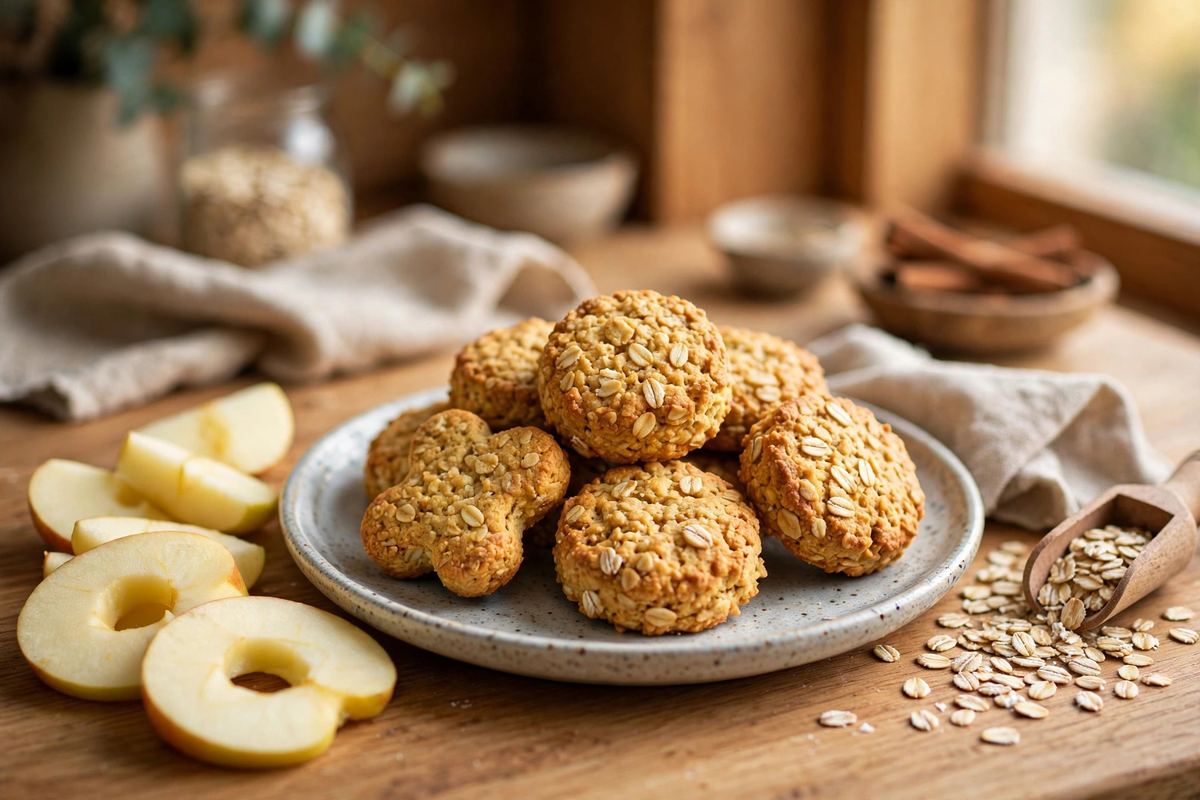
Crisp apple oat biscuits made with cored apple and simple pantry ingredients.
Get the Recipe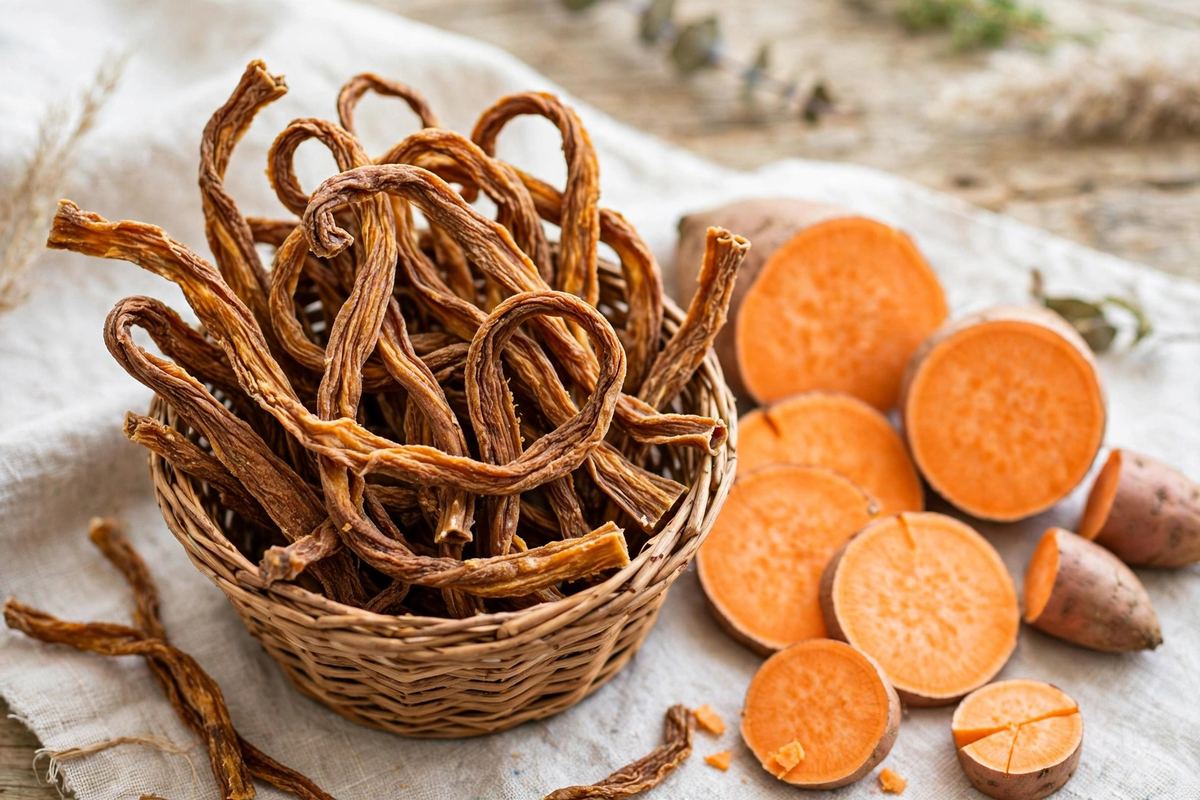
Single-ingredient dried sweet potato chews. A simple, chewy treat with nothing added.
Get the Recipe